

Intro
Put two used tanks side by side — same years in service, same emirate, same sun — and they can look like they lived different lives. One is faded, a little brittle at the edges, its lid warped just enough to notice. The other is duller than new but still solid, still sealing, still doing its job.
The difference is usually the material. Plastic and fibreglass (GRP) age very differently in UAE heat, and that difference matters more when you buy second-hand than when you buy new. A new tank of either material starts life in good shape. A used tank carries its history in its surface, its seams, and its fittings — and knowing how to read that history is what turns a bargain into a good buy, or saves you from a bad one.
This guide covers how each material ages, what to check on a second-hand tank of each type, and which one suits your job.
How UAE Heat Ages a Tank
The UAE sun is the main ageing force for any outdoor tank. Years of direct sun, high daytime heat, and cooler nights work on a tank in three ways.
First, sunlight breaks down surfaces. On plastic, that shows as fading and a chalky or rough feel. On fibreglass, the outer gel-coat can go dull or chalky too — but the chalk is usually surface-deep, and the structure underneath stays sound much longer.
Second, heat makes materials expand and shrink, day after day. That movement works on lids, fittings, and joints. A lid that no longer sits flat, or a fitting that weeps at the joint, is often heat movement plus age, not a single bad day.
Third, shade changes everything. Two identical tanks — one shaded by a wall or a cover, one in open sun — will age at very different speeds. When you inspect a used tank, ask where it stood, not just how old it is. A shaded ten-year-old tank can be in better shape than a sun-baked five-year-old one.
Used Plastic Tanks — How They Age
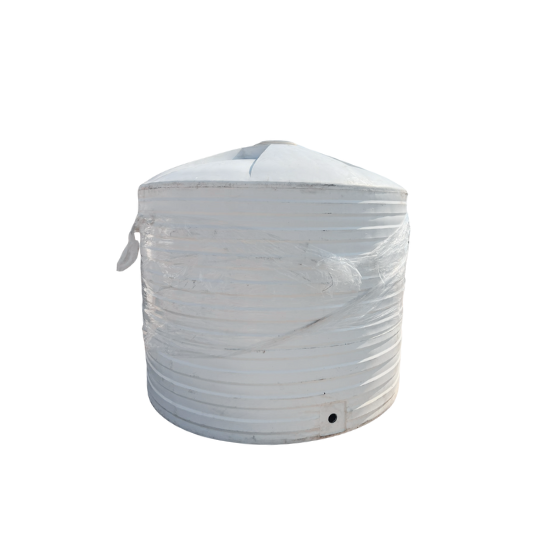
Plastic tanks — usually polyethylene — are light, simple, and common, which is why so many second-hand ones are on the market. Their ageing pattern is honest and easy to read.
The first signs are cosmetic: colour fading, a rough or powdery surface, and fine surface lines. On their own, these do not mean the tank is finished — a faded tank can still hold water well. The signs that matter more are structural: a shell that flexes too easily when pressed, small cracks near fittings or the base, and a lid that has warped so it no longer seals flat.
Fittings deserve a close look on used plastic. Inlets, outlets, and overflows are where heat movement concentrates, and a cracked fitting boss (the thickened area around the fitting) is a common end-of-life sign. If the tank spent years in open sun with no shade, expect the lid and the top rim to show it first — that is where the sun hits hardest.
None of this makes a used plastic tank a bad buy. For a short-term site, irrigation or wash-down water, or a shaded backup tank, a used plastic tank in good structural shape is a sensible, practical choice. The trick is paying for its condition, not its age — and walking away from one whose shell or fittings have gone brittle.
Used Fibreglass (GRP) Tanks — How They Age
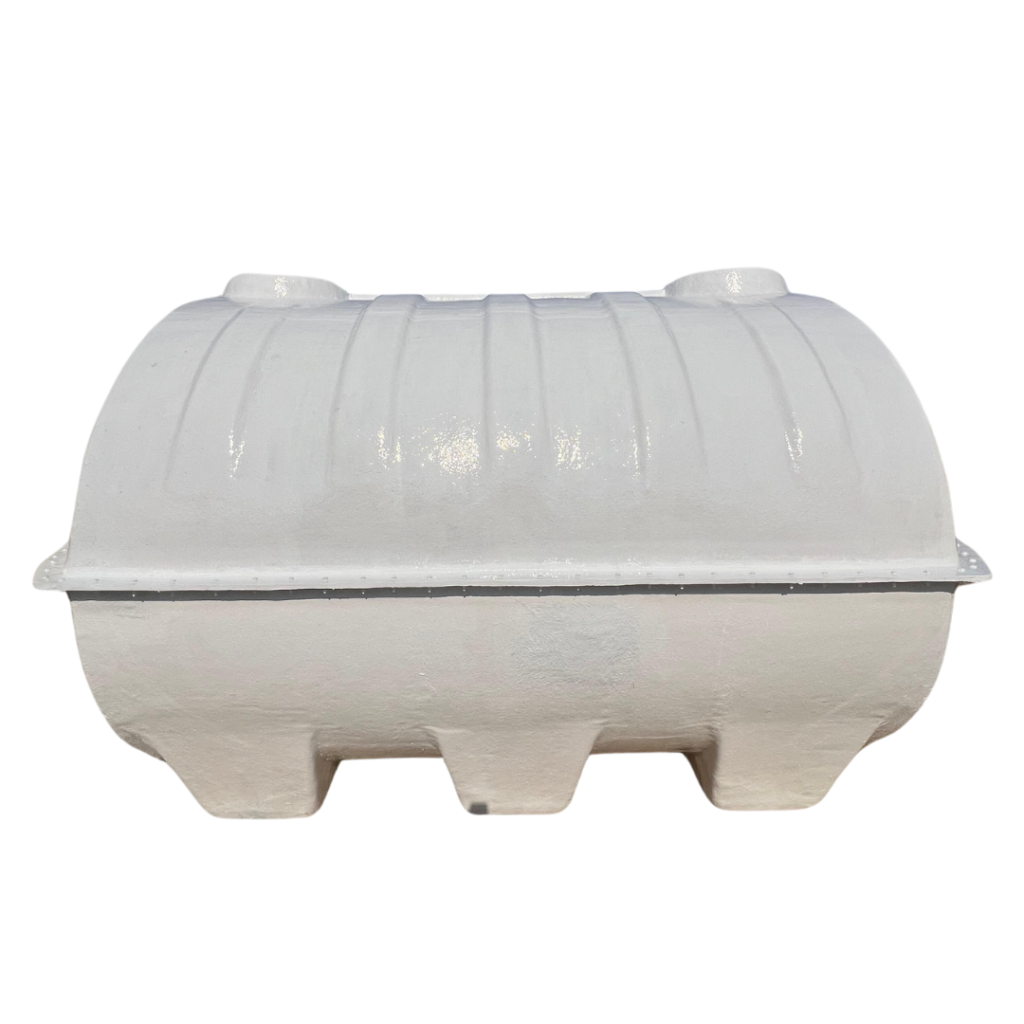
Fibreglass tanks — GRP, glass-reinforced plastic — are built differently: layers of glass fibre set in resin, with a smooth gel-coat skin. That build is why they usually outlast plastic outdoors, and why their ageing signs look different.
The outer gel-coat may chalk or dull with sun, much like plastic fades. The difference is what lies beneath: the fibre structure usually stays strong long after the surface looks tired. A dull fibreglass tank is often still a very good tank — surface chalk is not structural damage.
What to watch instead is the structure: seams and joints (on sectional or joined tanks), any area that has been repaired, and the inside surface. Run a hand over the interior if you can: it should feel smooth, not rough, flaking, or soft in patches. Check seams for hairline cracks or lifting, and ask about any repair — a well-done fibreglass repair is normal and sound, but a hidden or rough repair deserves a closer look and a question, not a blind yes.
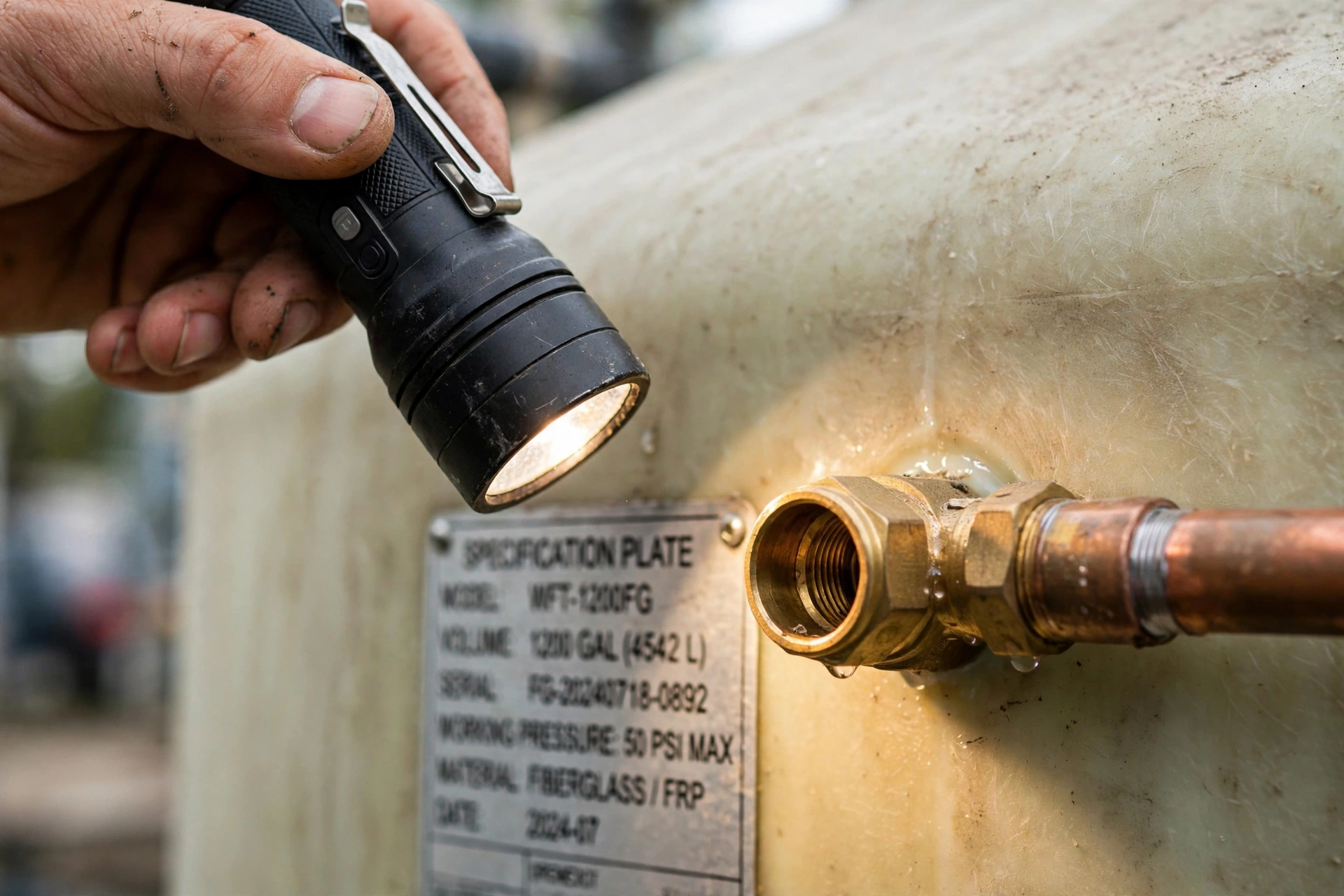
Fittings on fibreglass tanks are usually set into the shell during manufacture, so they tend to stay put better than fittings added later. Still check each one for weeping, staining, or movement, and check the lid seal the same way you would on any tank: it must sit flat and close firmly, because a tank that cannot seal cannot keep its water clean.
For drinking water, a used fibreglass tank is often the stronger second-hand choice — provided its history is clean (it held only clean water), it passes the interior and fitting checks, and it is cleaned and disinfected before use, exactly as our used-tank buying guide describes.
Side-by-Side Comparison
| Used plastic tank | Used fibreglass (GRP) tank | |
|---|---|---|
| Typical wear signs | Fading, chalky surface, lid warping, brittle fittings | Dull/chalky gel-coat, seam or repair-area wear |
| What fails first | Lid seal, fitting bosses, sun-exposed rim | Seams, poorly done repairs, neglected interior |
| Shade effect | Large — a shaded tank ages far slower | Moderate — structure holds up better in sun |
| Best second-hand jobs | Short-term sites, irrigation, wash-down, shaded backup | Drinking water (if history clean + inspected), long-term installs, harsh sun |
| Inspection priority | Shell flex, cracks near fittings, lid flatness | Interior smoothness, seams, repairs, lid seal |
| Lifespan outlook second-hand | Good if structurally sound and shaded | Usually longer outdoors; surface dullness is rarely structural |
The Checks That Matter Most for Each Material
Whatever the material, start with the five checks in our buying guide: interior, lid seal, fittings, shell and base, and material plus past use. Then add the material-specific checks.
For used plastic, press the shell gently in several places — it should feel firm, not soft or crackly. Look closely where fittings meet the shell and around the base rim, where cracks start. Sit the lid on and check it lies flat all the way round; a warped lid is the most common reason a used plastic tank lets dust in.
For used fibreglass, feel the interior for roughness, flaking, or soft patches, and look along every seam and any repaired area for hairlines or lifting. Check that fittings sit solid with no staining or weeping around them. If the seller cannot say what the tank held before, or will not let you look inside, treat that as your answer — our used-vs-new guide explains why history matters more than appearance.
One check applies to both: fill it, or watch it filled, before you commit. A tank that holds water without weeping at a single joint has passed the only test that really counts.
Which Second-Hand Tank for Which Job
Match the material to the job, not just to the listing.
For family drinking water, a used fibreglass tank is usually the better pick — but only if its history is clean, it passes every check, and it is cleaned and disinfected before use. If any of those three is doubtful, a new tank is the wiser choice, as the used-vs-new guide sets out.
For irrigation, wash-down, or a temporary site, a used plastic tank in sound structural shape is hard to beat for practicality — light to move, easy to place, and simple to replace later.
For backup storage in open sun, fibreglass has the edge: its structure copes with years of heat better, and a dull surface does not mean a weak tank. For a shaded backup spot, either material works well, and condition should decide.
For a permanent rooftop or plant-room install, think long-term: the tank you least want to replace is the one whose material and condition suit years of service, not just this season.
FAQs
Can a used plastic tank hold drinking water?
Only if its history is clean (it held only clean water), it passes a full interior, lid, and fitting inspection, and it is cleaned and disinfected before use. If the history is unknown, do not use it for drinking water.
How do I tell sun damage from surface dirt?
Wash a small area. Dirt comes off; sun chalking and fading do not. On plastic, follow up with the flex and crack checks near fittings. On fibreglass, a dull patch that still feels hard and smooth underneath is usually surface-only.
Are repaired fibreglass tanks safe?
A well-done fibreglass repair is normal and sound — the material is designed to be repaired. Ask what was repaired and why, inspect the repair for hairlines or lifting, and be cautious about rough, hidden, or unexplained repairs.
Which lasts longer outdoors, second-hand?
In open UAE sun, used fibreglass usually outlasts used plastic structurally, because its fibre structure holds up after the surface dulls. A shaded used plastic tank can still serve well for years — shade and condition matter as much as material.
What should I do right after buying a used tank?
Clean and disinfect it, check every fitting again once it is in place, and fill it fully to confirm no joint weeps before it goes into daily service. Our moving and setting-up guide walks through transport, base, and first fill step by step.
Buy the Condition, Not the Material Name
Plastic versus fibreglass is not a contest with one winner — it is a choice about sun, job, and condition. A shaded, sound used plastic tank beats a neglected fibreglass one, and a well-kept fibreglass tank will usually outlive both in open sun. Inspect the interior, the lid, the fittings, the shell, and the seams; ask what the tank held; and fill it before you commit. Do that, and the material on the listing becomes what it should be: useful information, not a gamble.